Ball Python Investing – Coiling Around Profits and Risks
Ball pythons can be a tempting investment for reptile enthusiasts, but it’s not just about morphs and market trends. Responsible care is crucial for their well-being and your investment’s value. Here’s a guide to navigate the world of ball python investment:
Caring for Your Investment
Habitat: Provide a properly sized enclosure with regulated temperature gradients, hiding spots, and a water dish. Invest in high-quality thermostats and thermometers to avoid health problems.
Feeding: Ball pythons are obligate carnivores. Research proper feeding practices with frozen, pre-killed prey items based on the snake’s size.
Hygiene: Maintain a clean enclosure with regular substrate changes and disinfection.
Veterinarian: Find a reptile-experienced veterinarian for annual checkups and any health concerns.
The Scales of Investment:
Benefits
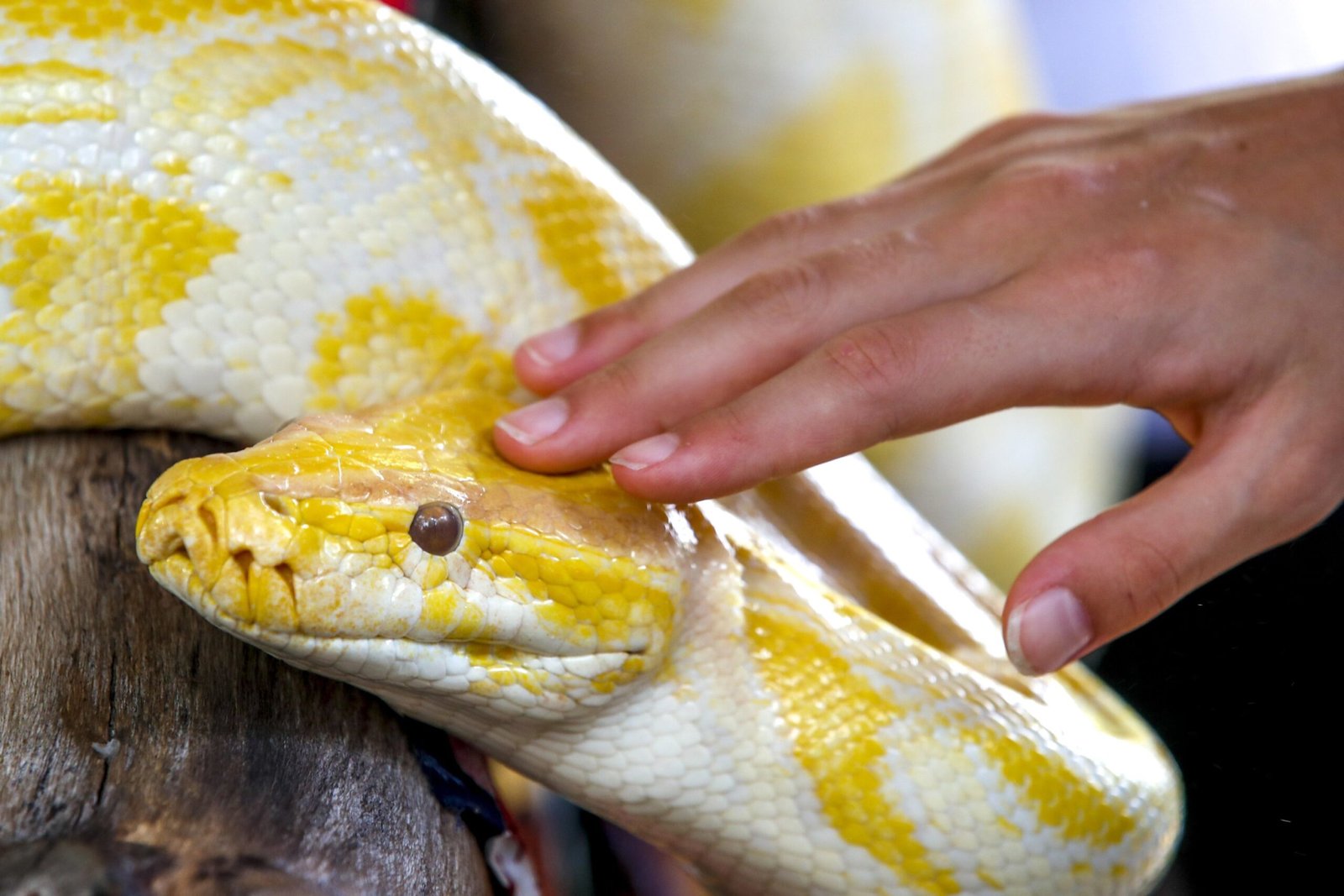
High-Demand Pets: Ball pythons are popular due to their docile nature and diverse morphs, leading to a potential for high returns on rare morphs.
Breeding Potential: Responsible breeding can significantly multiply your investment, though genetics and market saturation are factors to consider.
Long Lifespan: Ball pythons can live 30+ years, offering a long-term investment with proper care.
Downsides
Startup Costs: High-quality enclosures, equipment, and breeding setups can be expensive.
Time Commitment: Daily care, feeding, and cleaning require dedication. Breeding adds further responsibility.
Market Fluctuations: Morph trends can change, and overproduction can saturate the market, affecting prices.
Unforeseen Expenses: Veterinary care and unexpected health issues can strain your budget.
Future Trends: The Crystal Ball
Predicting the future is tricky, but here are some insights:
Niche Morphs: Super rare, designer morphs might hold value, but the market can be unpredictable.
Focus on Health: Ethical breeding for healthy animals with good genetics might be valued more by responsible pet owners.
Technology Integration: Breeding technologies like genetic testing could influence morph popularity.
Investing in knowledge is key. Join online forums, connect with experienced breeders, and research genetics and market trends before diving in. Remember, prioritizing your ball pythons’ well-being is not just ethical, it ensures your investment thrives.
Scaling Up Your Portfolio: The Reality of Ball Python Investing in 2026
For decades, the reptile community has been driven by a unique mix of passion and genetics. What started as a hobby of keeping unique pets has evolved into a sophisticated, multi-million-dollar micro-market. At the center of this industry is the Ball Python (Python regius). But can you actually treat these incredible animals as a financial investment?
If you’re looking at Sculpted Exotics and wondering whether to view your next purchase as a pet or a portfolio piece, let’s dive into the strength of the projected market and what a modern Return on Investment (ROI) actually looks like.
The Power of Living Art: Understanding the Market
Ball python investing isn’t like buying stocks or crypto; it’s closer to investing in fine art or high-end sneakers, with a twist of biological compounding. The value of a ball python is dictated by its morph—the genetic mutations that alter its color and pattern.
The market operates on a distinct trend cycle:
The Cutting Edge: When a new, groundbreaking morph or a highly complex “world-first” combination is produced, the initial specimens command premium prices, often reaching tens of thousands of dollars.
The Baseline Steady Sellers: Established, beautiful recessive genes (like Clown, Pied, and Desert Ghost) form the rock-solid foundation of the market. They maintain reliable demand because they are essential building blocks for future projects.
Market Strength: What Do the Projections Look Like?
The projected outlook for the ball python investment market remains resilient, driven by global demand and digital accessibility. Platforms like MorphMarket have democratized the hobby, allowing breeders to reach a global audience instantly.
Furthermore, the barrier to entry is lower than other livestock investments. They require minimal space compared to horses or cattle, and their keeping costs are relatively low. The strength of the market relies heavily on recessive projects. Breeders who invest in multi-recessive animals (e.g., combining Clown and Pied traits) are driving the market forward, as these combinations take years of dedicated pairing to achieve, insulating their value from sudden market saturation.
The Likelihood of ROI: Risk vs. Reward
What is the actual likelihood of seeing a return on your investment? The honest answer is that it is highly variable and entirely dependent on strategy. Unlike a stock, a ball python has to grow, mature, and successfully reproduce before you see a return. A female can take 2 to 3 years to reach breeding age.
The Investor’s Rule of Thumb: If you buy a single, trendy co-dominant morph today hoping to flip it for double next year, your likelihood of a high ROI is low. Co-dominant traits produce visual offspring in the first generation, meaning the market can saturate quickly, driving prices down.
However, if you invest in high-quality recessive and visual-heterozygous (het) combinations, your likelihood of a strong ROI increases significantly. When you successfully hatch out a clutch of rare, multi-gene recessives, a single clutch can entirely recoup your initial investment and fund your hobby for the next year.
Final Thoughts for the Savvy Keeper
Can you make money investing in ball pythons? Absolutely. But the most successful investors at Sculpted Exotics are those who marry data with passion.
Markets fluctuate, and genetic trends shift. If you invest only in animals you genuinely enjoy working with, the daily reward of keeping them shields you from market volatility. Treat breeding as a long-term venture, prioritize the health and welfare of the animals above all else, and let the genetics do the heavy lifting.